
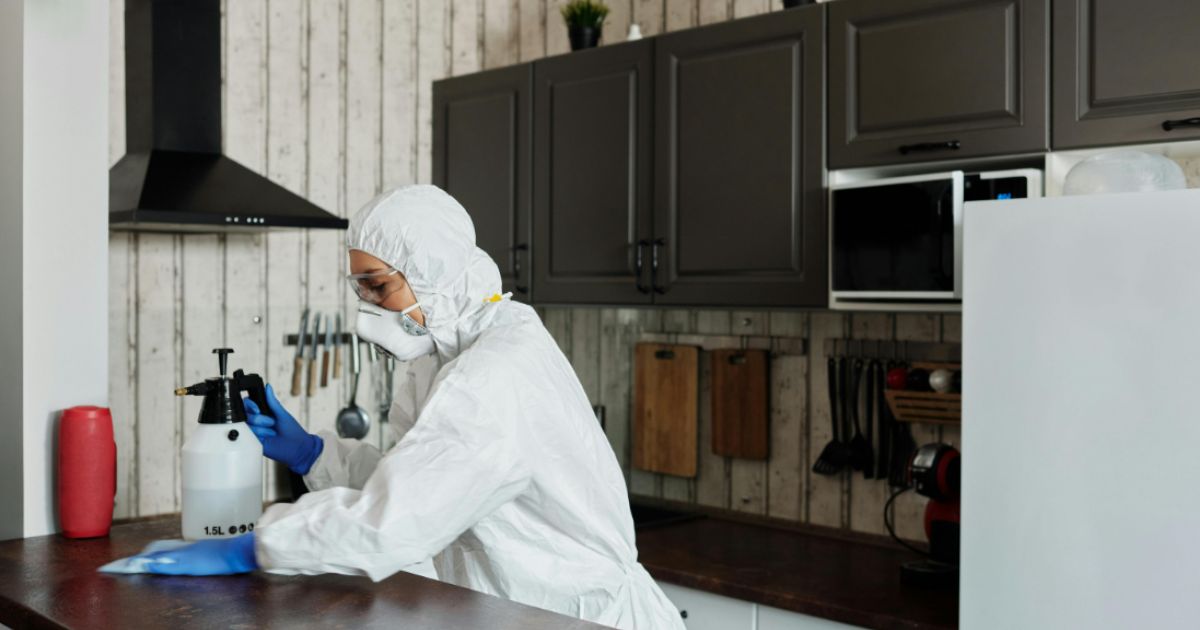
After a busy day, no one likes to see a sink full of dirty dishes, messy countertops, and things scattered everywhere. When you’re tired or short on time, cleaning the kitchen can seem like a daunting task.
But the truth is, you don’t have to spend hours trying to keep your kitchen clean. If you follow a simple daily routine, you can keep it sparkling clean without wasting any of your energy.
Why is it important to keep your kitchen clean every day?
The truth is, a kitchen can get dirty very quickly. Food, moisture, heat, and loose particles all combine to make it a breeding ground for germs (bacteria). If you don’t clean it every day, those germs won’t just stay there and start spreading to other places. They’ll stick to your food, your hands, and everything you touch.
Cleaning every day will keep germs under control, making the food you cook safer. It will also prevent unwanted odors from leftover food or old items. A clean kitchen is always a pleasant experience and a great asset to your health.
How do germs spread in the kitchen?
Germs don’t leave anything behind. When you handle raw meat or vegetables, germs can unknowingly stick to your countertops, utensils, or hands.
If you use the same sponge everywhere, you’re carrying germs from one place to another. Since the sink, cabinet handles, and countertops are high-touch spots, they tend to get dirty very quickly.
The Power of Small Daily Habits
You don’t have to spend hours cleaning. Small things like wiping down countertops, washing dishes immediately after use, or keeping the sink clean can help prevent dirt and germs from building up.
These habits take very little time, and they will make your deep cleaning much easier later on. If you follow them consistently, your kitchen will always be fresh and safe.
Easy Daily Kitchen Cleaning Routine
01. Organize Countertops
First, remove unnecessary items from the countertops. Put away spoons, food containers, and appliances. Keeping countertops clear not only looks good but is also easier to clean.
02. Wash dishes promptly
Don’t let dirty dishes pile up in the sink. Wash them immediately after use, or put them in the dishwasher if you have one. This will help prevent odors and prevent germs from building up on old food.
03. Wipe surfaces
Use a cleaner or soap and water to wipe down your countertops, stove, and table. Be sure to wipe down handles, switches, and other high-touch surfaces, as these are where germs tend to accumulate.
04. Clean the Sink
Your sink is always surrounded by food waste and water. So wash it well and scrub it if necessary. Always keep the sink dry to avoid germs and bad odors.
05. Mop the floor
Finally, sweep up food particles and dirt from the floor. Mop the floor if there are any stains or spots. A clean floor will not only make your kitchen look nice, but it will also prevent pests from coming in.
Natural cleaning methods that you can do at home
You don’t need harsh chemicals to make your kitchen sparkle. You can do this with simple ingredients in your kitchen.
🍋Lemon
You can cut a lemon and rub it on a cutting board or mix the juice with water and wipe the countertops. The acidity in it removes stains and leaves the room fragrant.
🧪Vinegar
You can mix vinegar with an equal amount of water and wipe the glass and countertops. It kills germs and removes grease.
🧂Baking soda
You can sprinkle baking soda on stubborn stains and rub it. This will easily remove stains, while protecting the surface from scratches.
Common mistakes to avoid in kitchen cleaning
! Using a dirty sponge
If you use the same sponge for a long time, it will spread germs. You should replace it frequently or put it in the dishwasher to clean it.
! Neglecting corners and handles
Cabinet handles and switches tend to collect a lot of dirt. Include them in your cleaning routine as well.
! Not letting surfaces dry
Leaving surfaces damp after wiping can encourage mold and germs to grow. Always wipe them down with a dry cloth and let them dry.
The Science Behind Kitchen Dirt and Germs
Why does grease stick everywhere?
You may have noticed that after cooking, a sticky layer (grease) forms on the stove and countertops. If you don’t wipe it off immediately, it attracts dust and germs from the air. After a while, it becomes very difficult to clean.
Germs grow faster in a hot kitchen
If the kitchen is hot and there is a lot of food particles or moisture, germs start to multiply very quickly. This is the main reason for bad odors and food contamination in the kitchen.
Moisture makes the situation worse
Even if the surfaces look clean, if they are damp, germs and mold are more likely to grow there. Therefore, wiping them with a dry cloth after wiping will help keep your kitchen safe.
Keep your kitchen clean without hassle
To be honest, keeping your kitchen clean is not as difficult as you think. Just following a simple daily routine, using natural products, and observing how germs spread is enough to keep your kitchen healthy and fresh.
Quick tip: Small habits like washing dishes and wiping down countertops can make a big difference!

Frequently Asked Questions (FAQ)
Q1: How often should you clean your kitchen?
A: Clean countertops, sinks, and utensils daily. Deep clean your stove, fridge, and cabinets once a week.
Q2: Can I use natural products instead of chemicals?
A: Yes. Lemon, vinegar, and baking soda work best and are inexpensive.
Q3: How do I remove stubborn grime from my oven?
A: Mix baking soda with water to make a paste and apply, or use warm, soapy water. Let it sit for a few minutes and scrub gently.
Q4: What is the best way to prevent germs from growing?
A: Washing dishes promptly, wiping down countertops, keeping the sink dry, and changing sponges frequently.
Q5: How long can cooked food be left out?
A: Don’t leave cooked food out for more than 2 hours. After that, germs will start to grow very quickly.
Leave a Reply